
Arrest Warrants in Covington County
An arrest warrant gives officers the power to take a named person into custody on an alleged offense. It starts as a criminal complaint or affidavit, and a judge must find probable cause before signing. That is simply the legal standard for believing an offense happened and that this person was involved. The paperwork then splits by court in Covington County. The county reports that every felony case is first heard in Justice Court, which handles the affidavit and the initial appearance. Indictments, motions, and later process live with Circuit Clerk Melissa Duckworth, whose office keeps the felony file as it moves. A city misdemeanor charge never leaves the municipal court that took it, so that clerk is the one to call.
Mississippi Rules Behind a Covington Arrest Warrant
Three code sections shape how a Covington County arrest warrant works, and each answers a question people actually ask.
Key Rules:
Miss. Code Ann. § 99-3-1 - sheriffs, deputies, constables, city marshals and police, and federal marshals are among the officers who may arrest.
Miss. Code Ann. § 99-3-17 - a person under arrest must be taken before the proper officer without unnecessary delay.
Miss. Code Ann. § 99-3-18 - written notice and conditions can apply after an arrest and before later process issues.
Section 99-3-28 adds a step when the complainant is a private person rather than an officer acting officially. The court may test the affidavit and hold a hearing first. That review shapes how a Covington County warrant gets signed.
What a Covington County Arrest Warrant Contains
Covington County publishes no warrant entry layout, so treat this as a list of fields to ask a clerk about rather than a published record.
| Case or cause number | The clerk's identifier for the criminal file |
|---|---|
| Process identifier | Any separate warrant number the office assigns, if one exists |
| Issuing court and judge | The bench that reviewed the affidavit |
| Complaint date | When the sworn statement was filed |
| Offense and classification | The charge and whether it is a misdemeanor or felony |
| Bond amount and type | Case specific; no county bond schedule is published |
| Service and status | Whether the process was served, returned, or is still open |
Birth dates, photographs, and physical descriptions are not published warrant fields in Covington County. Note: Ask which of these the office can read aloud, since a clerk may confirm a status while withholding the rest of the file.
Who Can Arrest on a Covington Warrant
More agencies can arrest on a Covington County warrant than most residents expect. The right one to call depends on who holds the paper.
| Agency | Role | Local Routing |
|---|---|---|
| Sheriff and deputies | County law enforcement and the jail | 1107 Main Street, Collins, 601-765-8281 |
| County constables | Conservators of the peace with arrest authority in the county | Northern and District 3, 4, and 5 seats listed in the state directory |
| Collins Police | City police serving city process | 601-765-6541, cases to Collins Municipal Court |
| Mount Olive Police | Town police at 510 Main Street | 601-797-3232, cases to the court clerk at 601-797-3496 |
| U.S. Marshals | Federal and interstate fugitive work | Southern District of Mississippi offices |
Seminary posts no live official town page describing its policing arrangement. A Seminary question starts with the town clerk at 601-722-9426, or with the Covington County sheriff.
How Covington County Arrest Warrants Are Served
Service follows jurisdiction. County process usually goes to deputies, city process to the city's own officers, and interstate matters to federal partners. The Sheriff's Office confirms its law enforcement and jail duties but names no dedicated warrant unit, warrant sergeant, or warrant email. Attempts are not announced, and a person may first learn process exists during a traffic stop, a court visit, or contact with another agency in Covington County. That is why a quiet call to the issuing clerk beats waiting for a knock. Note: Ask the clerk which agency holds the paper, since the answer decides where a surrender can be arranged.
After a Covington Warrant Arrest
Things move quickly after a Covington County warrant arrest, whatever the missing online record suggests.
- Officers make the arrest and take the person to the county jail for booking.
- State law requires presentation before the proper officer without unnecessary delay.
- Justice Court judges hold sessions at the jail three times a week, which supports a first appearance inside three days of arrest.
- The judge addresses the charge, release terms, and bond, and sets the next date.
- The court and the agency record service, return, release, or a later recall in their own files.
Covington County posts no countywide bond schedule or release timetable. Amounts and conditions come from the judge in that case. Note: Ask the jail when the next Justice Court session falls, since that timing shapes when bond can be addressed.
Arrest Warrant vs Summons vs Bench Warrant
Three papers, three origins. Mixing them up sends people to the wrong Covington County clerk, sometimes with the wrong idea about custody.
| Point | Arrest Warrant | Summons | Bench Warrant |
|---|---|---|---|
| Origin | Sworn affidavit and probable cause | A charging document ordering appearance | A missed setting or broken condition |
| Custody risk | Arrest is authorized | No arrest if the person appears | Arrest is authorized |
| Who resolves it | The issuing court, often with counsel | The court on the appearance date | The judge whose setting was missed |
The Covington County bench warrant page covers the missed setting side in more detail.
Federal Warrants Are Not Covington Warrants
A federal warrant is not a county warrant writ large. Covington County sits in the Southern District of Mississippi. Its nearest listed courthouse office is the William M. Colmer Federal Building, 701 North Main Street, Suite 200, Hattiesburg, at 601-255-6400.
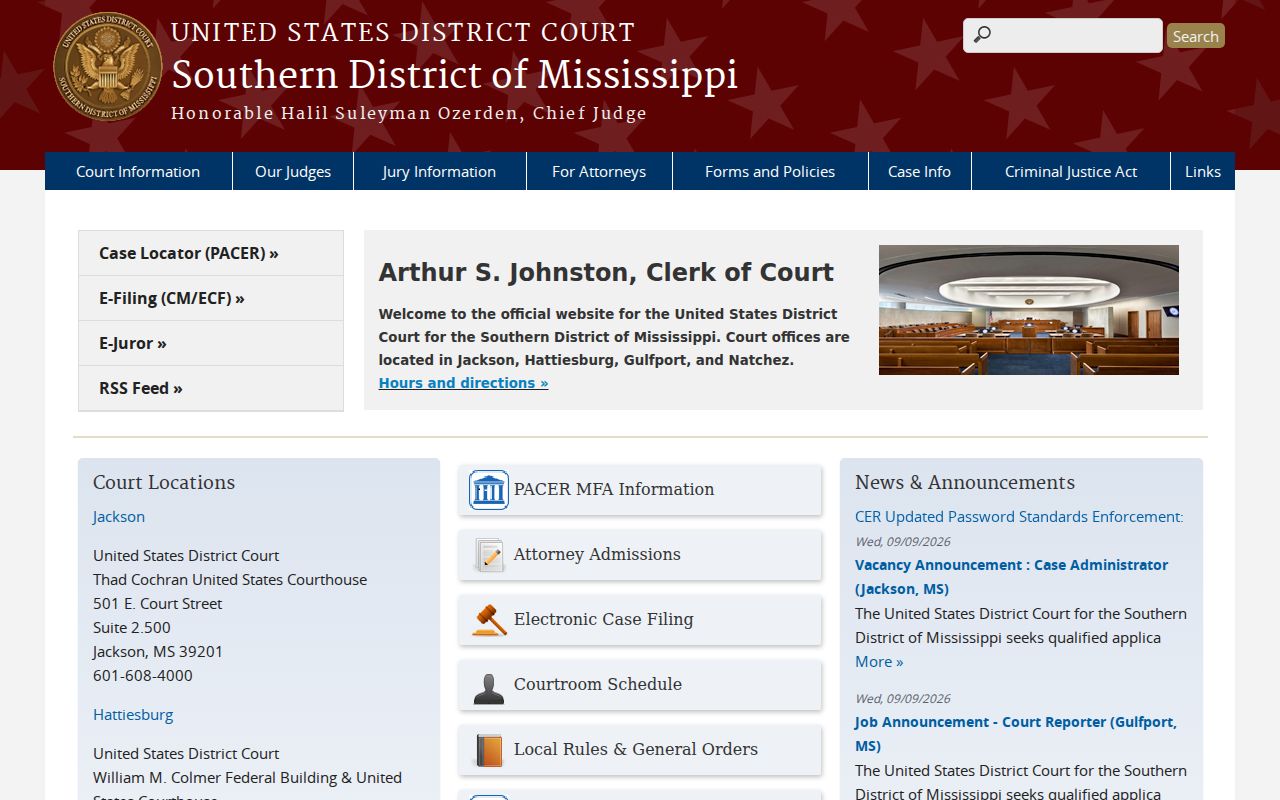
That district site posts courthouse locations and electronic filing links, not a warrant lookup. Federal dockets run through PACER.
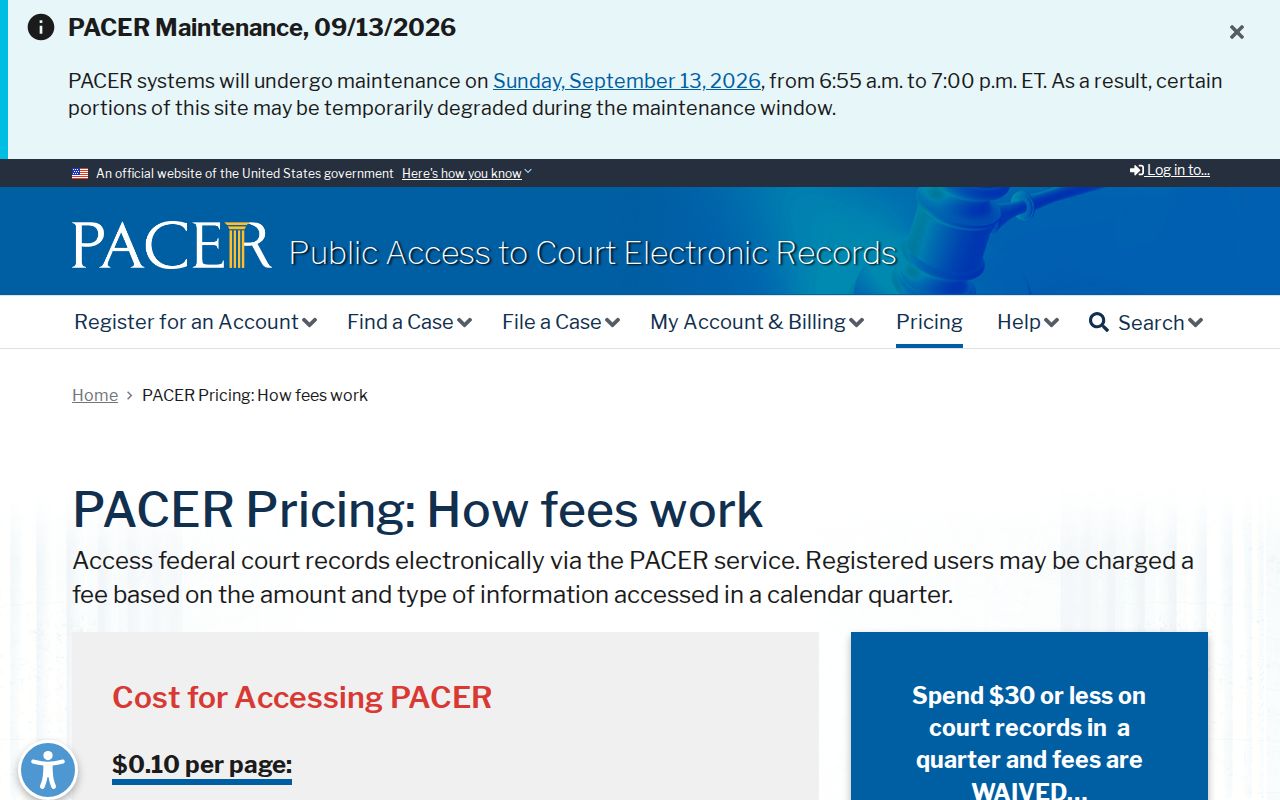
Registering on PACER is free. Access runs ten cents a page with a three dollar cap on most documents, and quarterly charges of thirty dollars or less are not billed. A sealed federal warrant will not appear there. Paying a Covington County court also does nothing about another jurisdiction's hold.
What to Do If There Is a Warrant for You
Call the issuing clerk first. Ask whether counsel can arrange a walk through, a bond, or a motion to recall. A lawyer can reach the prosecutor, sort a Covington County charge from a corrections hold or another state's process, and explain what a surrender involves. Posting bond may secure release. It does not dismiss the charge.
Important: Do not treat a visit to a law enforcement building as a records errand when process is active, because the visit can end in booking.
Questions Before a Covington Warrant Surrender
Covington County publishes no surrender guide, so the unknowns become a call-ahead checklist. Ask the clerk and the sheriff these before picking a day.
- Is the process active right now, and which court controls it?
- Is a scheduled walk through allowed, or is booking the only route?
- What days, hours, and identification does the office accept?
- Should counsel arrange the appearance first?
- Where is bond posted, and what payment types are taken?
- When will a judge review the matter, and what happens to the underlying date?
Note: Write down who answered and when, since a later clerk may describe the same Covington County file differently after the court acts.